
What Is a Hearing Test & How Is It Done?
You sit in a quiet booth with headphones and signal the sounds you hear. That's it. No needles, no medication, no pain. It takes about 20-30 minutes , it's free at our branches and no appointment is needed.
What happens when you walk in?
-
01
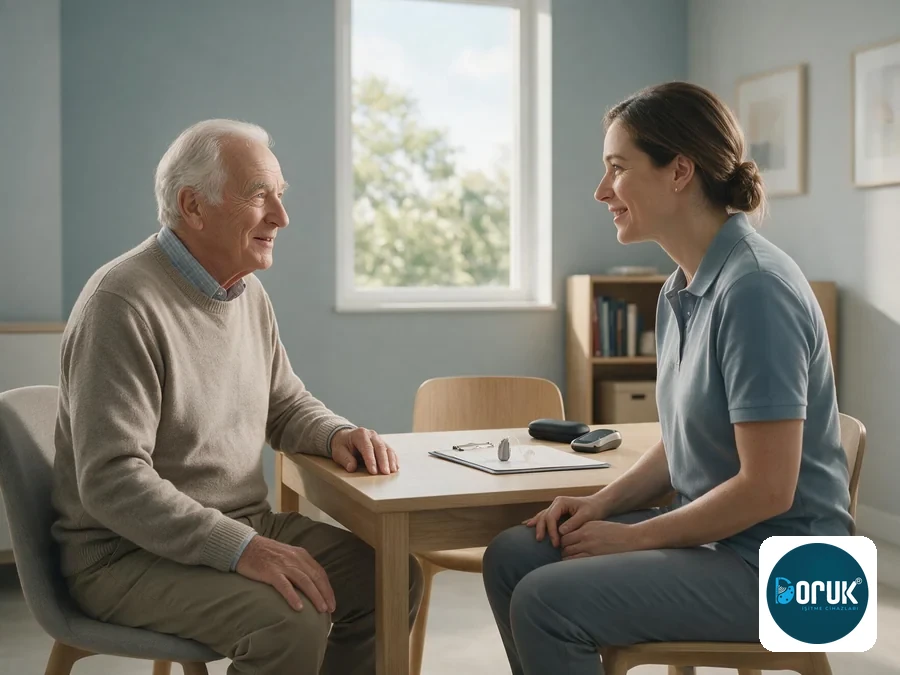
![A conversation before the hearing test]()
First, we talk
How long has it been going on, where do you struggle most? This shapes how the test is done.
-
02
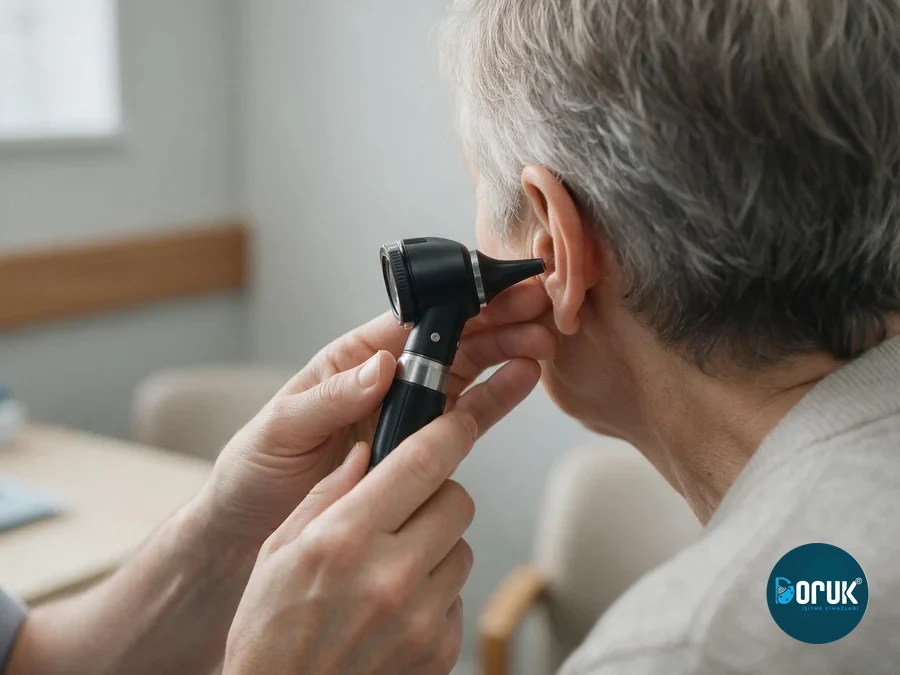
![Examining the ear canal with an otoscope]()
Your ear is checked
A few seconds with an otoscope. Sometimes the problem isn't hearing at all — it's earwax blocking the way.
-
03
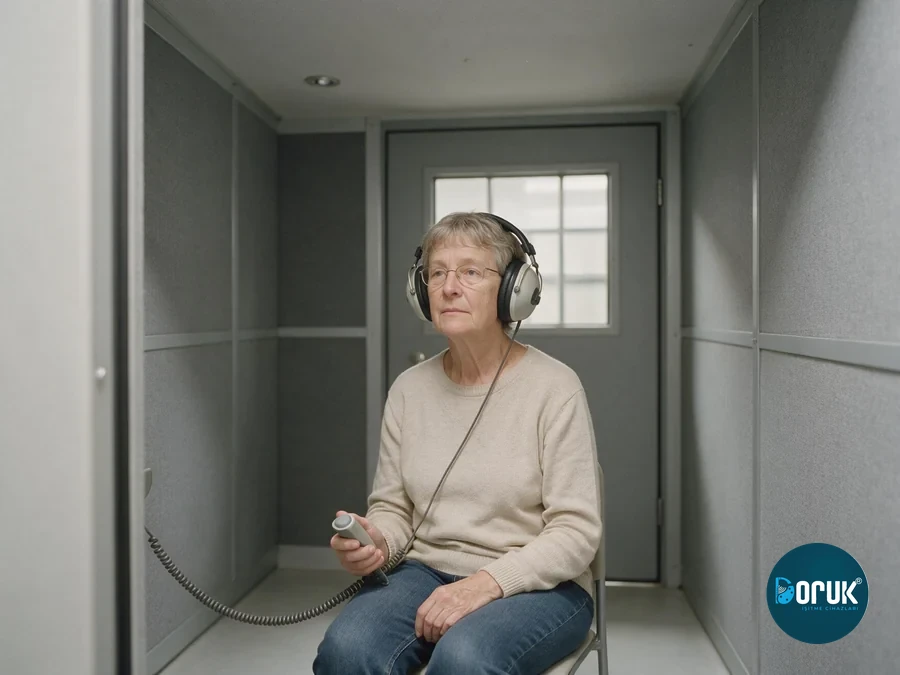
![A hearing test with headphones and a response button in a quiet booth]()
Quiet booth
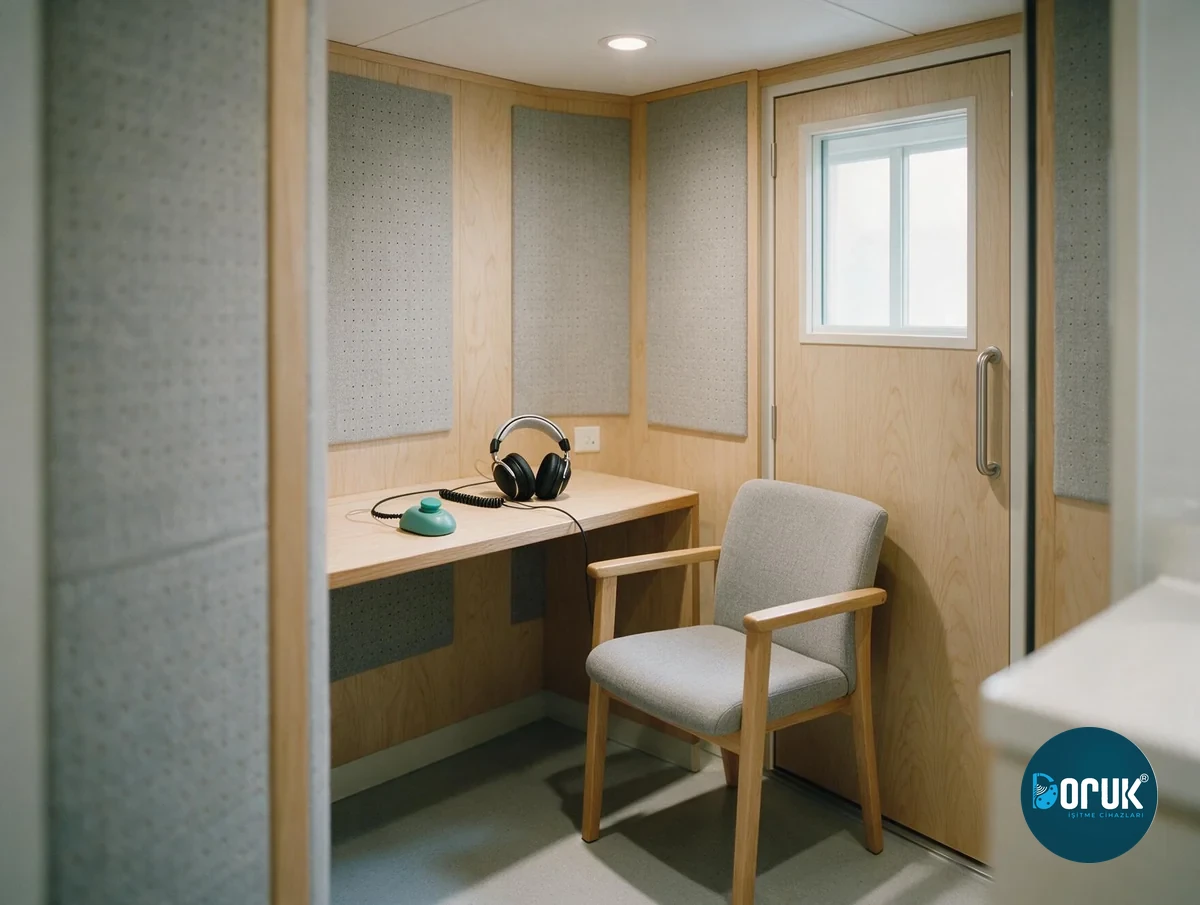
Headphones go on, you're given a button. You press it the moment you hear a sound; there's no wrong answer.
-
04
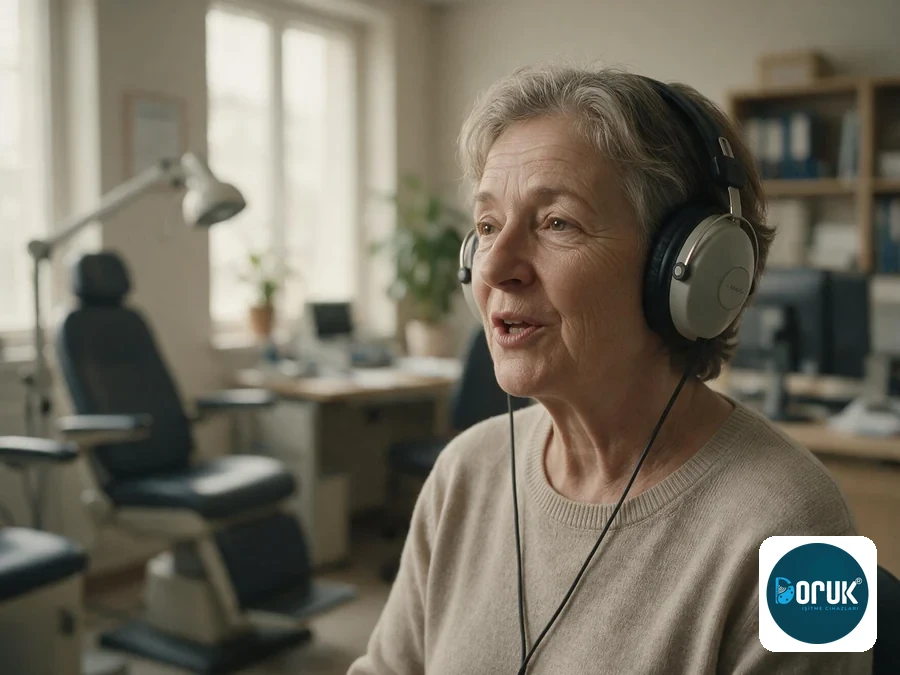
![Repeating words heard through headphones]()
Words
You repeat the words you hear. Hearing a sound and understanding what was said aren't the same thing.
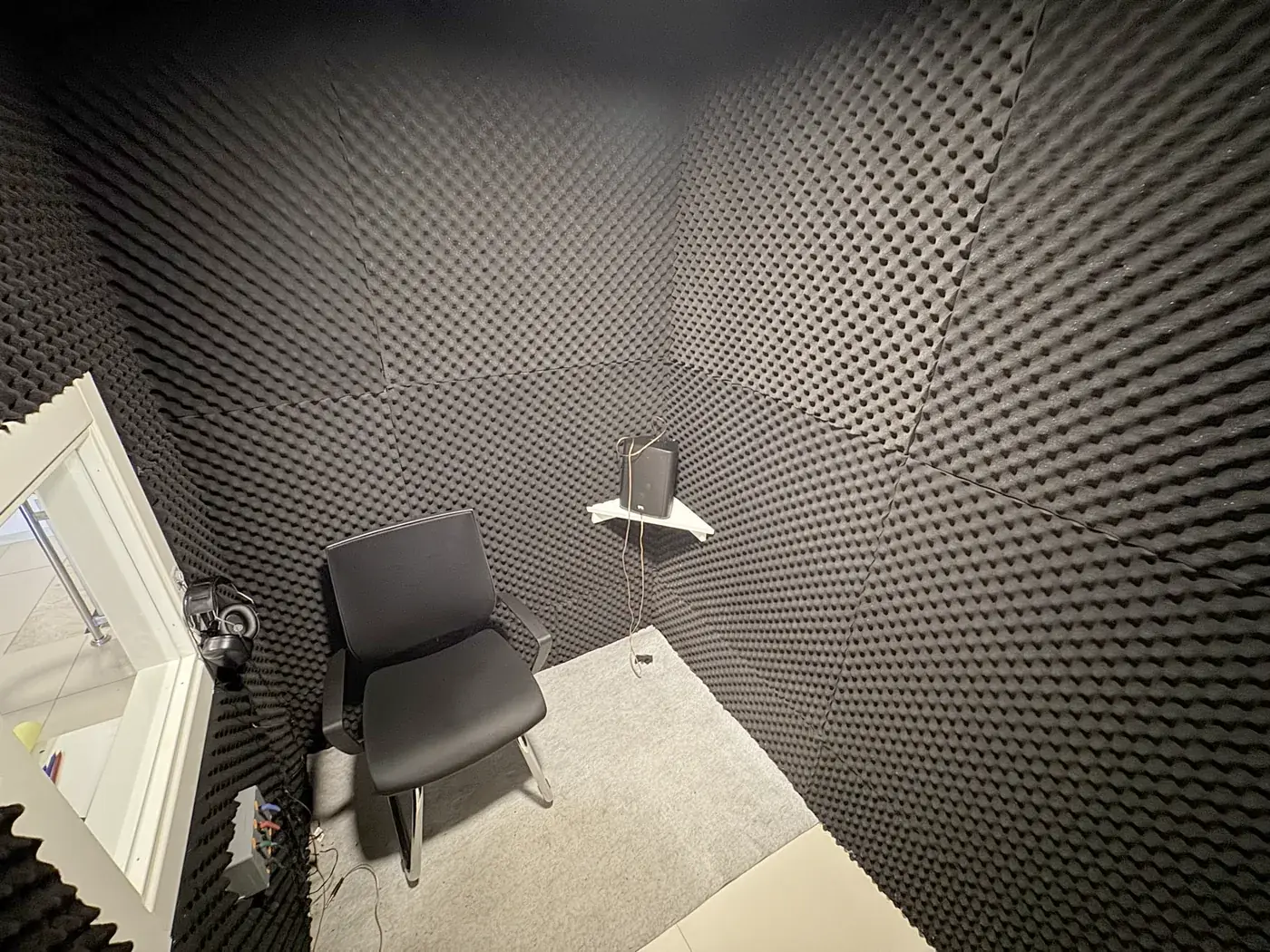
All of it 20-30 minutes. Your specialist stays right outside the booth, where they can see you; you can stop at any time.
When do you get the result?
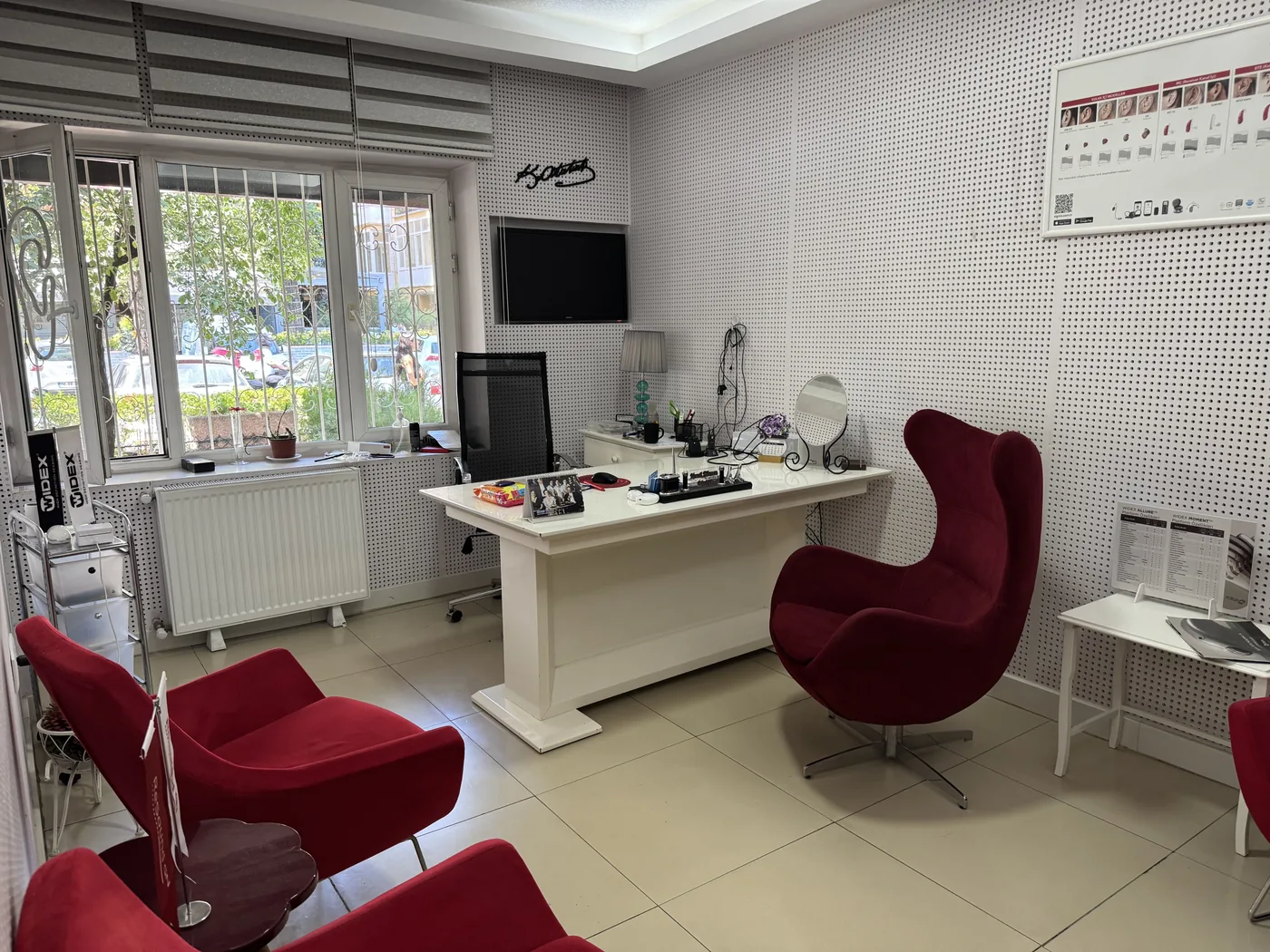
You don't wait days for the result. It's ready the moment the test finishes, and we sit down together and go over it in the same session. One of three outcomes comes up:
Your hearing is fine
We say so clearly and don't recommend a device. There may be another reason for your difficulty; if so, we tell you where to go next.
Something is blocking the way of sound
It could be earwax, fluid in the middle ear, or something related to the eardrum. We refer you to an ENT specialist; that assessment is needed before a device is discussed.
Hearing loss came up
We explain the degree of loss and your options, with the reasoning behind them. You can try a device if you like; the decision is entirely yours.
For SGK support you need an audiometry test and a health board report from a hospital. Bring the report and we'll handle the whole paperwork process — details on our SGK support page.
No pressure: the test is free, no obligation to buy.
Which number should you look at on the audiogram?
The chart you're given is called an audiogram. There's just one thing to track: at how many decibels your hearing starts to drop.
26 dB is where mild loss begins. Eligibility for SGK support isn't decided from this one number alone; age, the test method, and whether the device is prescribed for one or both ears all affect the outcome. The final decision comes from an authorised health institution's report.
In age-related loss, high-pitched sounds go first. When sounds like s, f and sh — the ones that actually let you tell words apart — weaken, you hear a voice but can't make out the word. That's the reason behind "Don't shout, I can hear you, I just can't understand."
No need to prepare
There's nothing you need to do beforehand. No special preparation, no prior procedure, no documents required. Just come in — we'll handle the rest.
For the curious: the names of the tests
These are the main tests used in a hearing assessment. Which ones you need varies from person to person and by complaint; it becomes clear during the assessment.
Pure-tone audiometry: the part where you listen to sounds with headphones and press a button. Your audiogram comes from this.
Speech audiometry: the part where you repeat words; it measures understanding, not just hearing.
Tympanometry: a short test with a soft-tipped probe in the ear. You feel a light pressure, like on a descending plane — it doesn't hurt. It checks the movement of the eardrum and middle ear.
Otoacoustic emissions (OAE): a test that needs no response from you; it's the basis of newborn screening. Details on our hearing in children page.
Frequently asked questions
No. In the basic hearing test you listen to different sounds with headphones and respond when you hear them. In some additional tests a small probe is placed in the ear or an electrode is stuck on the skin; these aren't painful either under normal conditions. If you have ear pain or discharge, be sure to mention it before the test starts.
A basic assessment takes about 20-30 minutes for most people. It can take longer if speech tests, tympanometry, otoacoustic emissions or other measurements are needed. We tell you which tests we'll run before we start.
An appointment isn't required. You can come to our branch whenever suits you. If you want to cut down waiting time, book a child's test, or plan a more detailed assessment, we recommend calling ahead.
No. The hearing test and initial consultation we do at our branches are free. There's no obligation to buy a device afterwards.
No. The test at our centre tells you about your hearing status and suitable device options; but SGK support needs audiological tests, a health board report and a prescription issued by an authorised health institution. We share the current document list with you before you apply.
There's no single interval that applies to everyone. Your age, noise exposure, medication, ear conditions and current hearing loss determine how often you should be checked. If you use a hearing aid, we usually plan check-ups every 6-12 months. If there's a sudden change in hearing, a drop on one side, pain or discharge, don't wait for your routine check-up.
This information is for general guidance only and doesn't replace diagnosis or treatment. If you have a complaint, see an ENT specialist.
Come in for a free hearing test
The test and consultation are free at all our branches, with no obligation to buy. No appointment needed either.